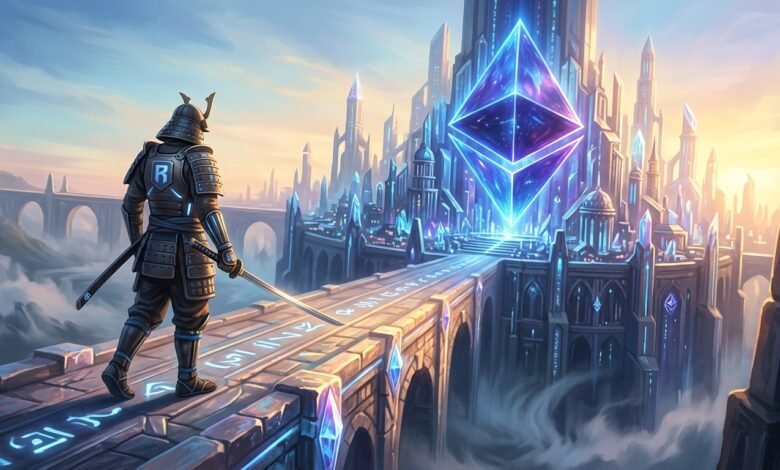
The blockchain gaming industry continues to evolve rapidly, and one of the most significant recent developments is the announcement that Ronin L2 completes Ethereum homecoming. The move marks a pivotal moment for the Ronin ecosystem as it reconnects more deeply with the broader Ethereum network while positioning itself for the next phase of decentralized gaming growth.
Originally designed as a specialized blockchain for Web3 gaming, Ronin became widely recognized through the explosive success of Axie Infinity. Over time, however, the ecosystem faced both technical and security challenges that forced developers to rethink scalability, decentralization, and interoperability. The latest transition signals not only a technological upgrade but also a strategic shift toward stronger integration with Ethereum’s expanding Layer-2 infrastructure.
As blockchain gaming becomes more competitive, networks must balance transaction speed, low fees, security, and developer accessibility. Ronin’s Ethereum homecoming aims to address these priorities while creating a more sustainable foundation for gaming applications, NFT ecosystems, and digital asset economies.
The announcement has generated widespread discussion across the crypto market because it highlights the growing importance of Ethereum-compatible Layer-2 solutions in the future of blockchain gaming.
Understanding Ronin’s Evolution
Ronin was originally developed by Sky Mavis to support the rapid growth of blockchain-based games. The network was specifically optimized for gaming transactions, NFT trading, and in-game asset management.
At the height of the NFT gaming boom, Ronin became one of the most active blockchain ecosystems in the world. Millions of users relied on the network daily to buy, sell, and transfer digital assets connected to the gaming economy.
However, rapid growth also exposed limitations in scalability and decentralization. The network initially operated with a more centralized validator structure, which later became a concern after the high-profile Ronin bridge exploit in 2022. That security breach pushed developers to rethink infrastructure design and ecosystem resilience.
The decision that Ronin L2 completes Ethereum homecoming reflects a broader strategy focused on long-term sustainability, stronger Ethereum alignment, and improved institutional confidence.
What Does Ethereum Homecoming Mean?
The phrase “Ethereum homecoming” refers to Ronin’s deeper reintegration with the Ethereum ecosystem through Layer-2 architecture and interoperability enhancements.
Ethereum remains the dominant smart contract blockchain for decentralized finance, NFTs, and Web3 applications. By reconnecting more closely with Ethereum, Ronin gains access to a broader developer community, stronger security assumptions, and greater liquidity flows.
The transition also positions Ronin within Ethereum’s expanding Layer-2 economy, where scaling solutions are increasingly becoming central to blockchain adoption.
Layer-2 networks help reduce congestion on Ethereum by processing transactions off-chain while still benefiting from Ethereum’s underlying security and decentralization. This approach allows gaming applications to offer faster and cheaper transactions without sacrificing compatibility with the wider Ethereum ecosystem.
For Ronin, the homecoming represents both a technological and symbolic return to Ethereum’s infrastructure roots.
Why Ronin Chose the Layer-2 Model
The decision to evolve into a Layer-2 ecosystem comes at a time when Ethereum scaling solutions are experiencing massive growth.
Gaming applications generate extremely high transaction volumes compared to many other blockchain sectors. Every in-game trade, NFT transfer, marketplace purchase, or reward distribution requires network activity. Running these operations directly on Ethereum mainnet would often be too expensive and inefficient.
By operating as a Layer-2 solution, Ronin can maintain low transaction fees and fast confirmation times while still leveraging Ethereum security.
This model is increasingly popular across the blockchain industry because it combines scalability with interoperability. Developers can build gaming ecosystems that interact seamlessly with Ethereum wallets, decentralized applications, and liquidity pools.
The move also allows Ronin to remain competitive against other gaming-focused blockchain networks that are aggressively pursuing developers and users.
The Role of Ethereum in Blockchain Gaming
Ethereum continues to dominate Web3 infrastructure despite competition from alternative Layer-1 chains.
Most NFT marketplaces, decentralized finance protocols, and tokenized gaming assets still rely heavily on Ethereum standards such as ERC-20 and ERC-721. Because of this dominance, projects connected to Ethereum often benefit from stronger liquidity and larger user communities.
The announcement that Ronin L2 completes Ethereum homecoming highlights how even specialized gaming ecosystems recognize the importance of Ethereum compatibility.
Blockchain gaming has evolved beyond isolated ecosystems. Modern players increasingly expect interoperability between wallets, marketplaces, and gaming platforms. Ethereum integration helps make this possible.
Developers also gain access to mature tooling, smart contract frameworks, and developer support communities within the Ethereum ecosystem.
As the blockchain gaming market matures, networks that remain disconnected from Ethereum may struggle to maintain long-term relevance.
Security Improvements After the Ronin Bridge Hack
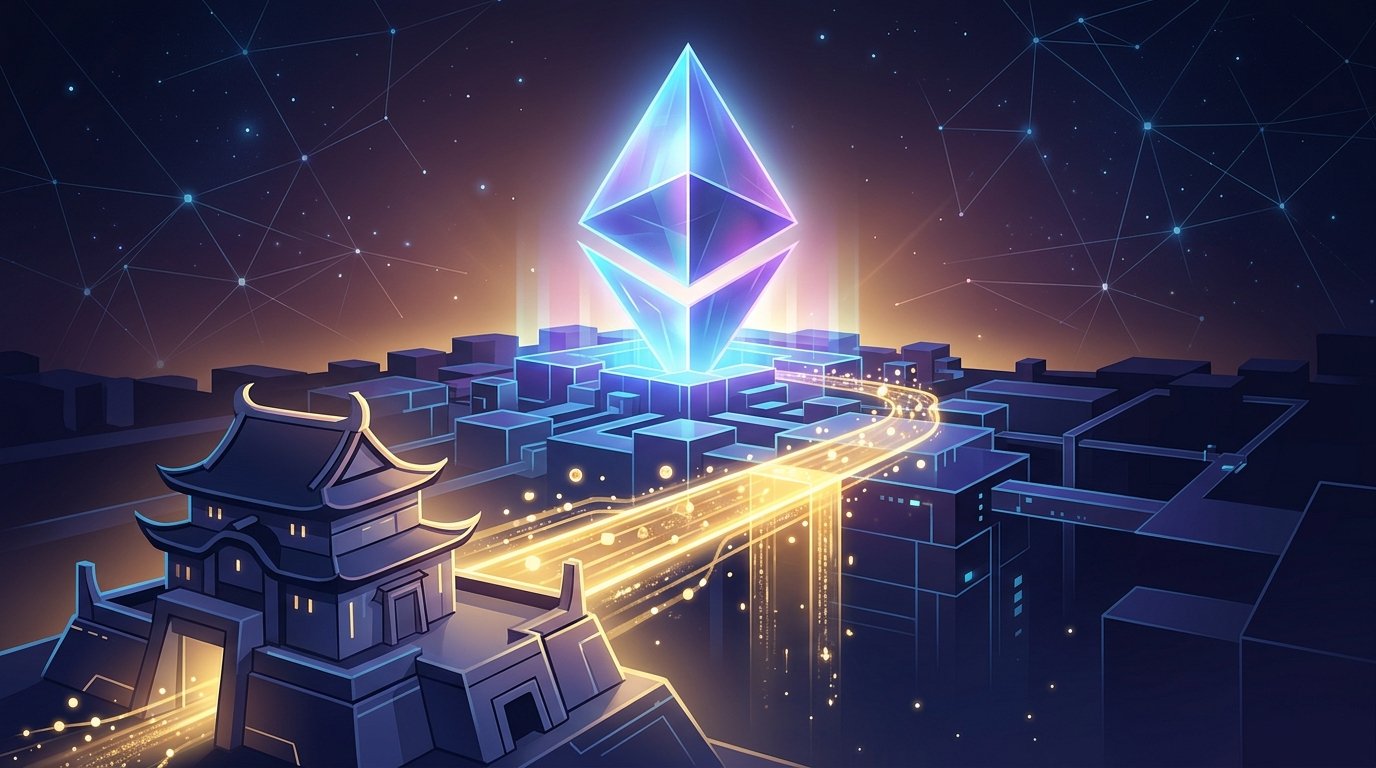
Security remains one of the most important themes surrounding Ronin’s transformation.
The 2022 Ronin bridge exploit resulted in one of the largest crypto hacks in industry history, leading to losses exceeding $600 million. The incident exposed vulnerabilities in validator concentration and cross-chain bridge infrastructure.
Since then, Sky Mavis has focused heavily on rebuilding trust and strengthening network security.
The transition toward deeper Ethereum integration and Layer-2 architecture is partly aimed at reducing systemic vulnerabilities. Ethereum’s security model is considered one of the strongest in the blockchain industry due to its decentralized validator ecosystem and large economic security base.
Ronin has also expanded validator participation and introduced stronger governance structures to reduce centralization risks.
The Ethereum homecoming therefore represents not only technical scaling but also a broader effort to improve resilience and credibility within the crypto industry.
How Ronin L2 Could Boost Web3 Gaming Adoption
The blockchain gaming sector has struggled with user retention despite massive early hype. Many games focused heavily on token speculation rather than gameplay quality, leading to declining user engagement during crypto market downturns.
Ronin’s new direction may help create a more sustainable gaming ecosystem.
Lower fees, faster transactions, and Ethereum interoperability can improve the overall user experience for gamers unfamiliar with blockchain technology. Frictionless onboarding remains one of the biggest challenges in Web3 gaming adoption.
The Layer-2 approach may also encourage more traditional gaming studios to explore blockchain integration without worrying about excessive transaction costs.
Developers increasingly want infrastructure that supports scalable gameplay mechanics while maintaining NFT ownership and decentralized economies.
If successful, Ronin could become a leading platform for mainstream blockchain gaming development.
NFT Ecosystems and Digital Ownership
NFT functionality remains central to the Ronin ecosystem.
Gaming NFTs allow players to own digital characters, skins, weapons, virtual land, and other in-game assets. Unlike traditional games where publishers retain ownership control, blockchain gaming introduces portable and tradable digital property.
The Ethereum homecoming strengthens NFT interoperability because Ethereum remains the largest NFT ecosystem globally.
Assets built on Ronin may gain easier access to Ethereum-based marketplaces and decentralized trading platforms. This could increase liquidity and exposure for gaming assets within the broader crypto economy.
The integration also supports cross-platform innovation where digital items can potentially move between multiple gaming ecosystems.
As NFT technology evolves, interoperability and user ownership are expected to remain major industry priorities.
Competition in the Blockchain Gaming Sector
The blockchain gaming market has become increasingly competitive over the past few years.
Networks such as Immutable, Polygon, and Arbitrum are all aggressively targeting gaming developers and NFT ecosystems.
Each platform offers different advantages related to scalability, transaction fees, developer tooling, and ecosystem incentives.
Ronin’s Ethereum homecoming positions the network more directly within this competitive Layer-2 environment.
To remain relevant, Ronin must demonstrate that it can attract new games beyond Axie Infinity while supporting broader ecosystem expansion.
Developer adoption will likely become one of the most important factors determining long-term success.
Institutional Interest in Blockchain Infrastructure
Institutional interest in blockchain technology continues expanding beyond cryptocurrencies into infrastructure and tokenization.
Gaming ecosystems with scalable transaction systems, strong security, and Ethereum interoperability may become attractive to investors looking for long-term blockchain exposure.
The announcement that Ronin L2 completes Ethereum homecoming signals maturity in the blockchain gaming sector. Rather than operating as isolated ecosystems, gaming networks are increasingly aligning with enterprise-grade blockchain standards.
This trend could improve confidence among venture capital firms, gaming publishers, and technology investors exploring Web3 opportunities.
Institutional participation may also accelerate infrastructure development and ecosystem funding.
The Future of Ronin and Ethereum Gaming
The future of Ronin will depend on its ability to evolve beyond its original success story.
While Axie Infinity introduced millions of users to blockchain gaming, the industry now demands broader innovation, better gameplay experiences, and stronger economic sustainability.
Ronin’s transition toward Ethereum Layer-2 infrastructure could create new opportunities for developers, NFT creators, and gaming communities.
The platform may eventually support a wide range of decentralized applications beyond gaming, including social platforms, creator economies, and metaverse ecosystems.
As Ethereum scaling technology improves, Ronin could benefit from growing interoperability across Layer-2 networks and tokenized asset ecosystems.
The broader crypto market is also increasingly recognizing gaming as one of the strongest long-term blockchain use cases.
Conclusion
The announcement that Ronin L2 completes Ethereum homecoming represents a major strategic evolution for one of blockchain gaming’s most recognizable ecosystems. By reconnecting more deeply with Ethereum infrastructure, Ronin aims to improve scalability, security, interoperability, and developer accessibility.
The move reflects larger trends shaping the future of blockchain technology, including Layer-2 adoption, tokenized gaming economies, NFT interoperability, and enterprise-grade infrastructure development.
Although challenges remain in user adoption and ecosystem expansion, Ronin’s Ethereum alignment positions the network for long-term growth in the increasingly competitive Web3 gaming industry.
As blockchain gaming matures, scalable and secure Layer-2 ecosystems like Ronin may play a central role in bringing decentralized digital ownership and Web3 experiences to mainstream audiences.
FAQs
Q.What does Ronin L2 Ethereum homecoming mean?
It refers to Ronin’s deeper integration with Ethereum through Layer-2 infrastructure, improving interoperability, scalability, and security for blockchain gaming applications.
Q.Why is Ronin moving closer to Ethereum?
Ethereum offers strong security, large developer communities, mature NFT infrastructure, and broad ecosystem compatibility, making it an ideal foundation for blockchain gaming expansion.
Q.How does Layer-2 technology help Ronin?
Layer-2 technology reduces transaction costs and increases processing speed while still benefiting from Ethereum’s security and decentralization.
Q.Is Ronin still connected to Axie Infinity?
Yes, Ronin remains closely connected to Axie Infinity, but the network is also expanding to support additional games and decentralized applications.
Q.Why is this important for blockchain gaming?
The move demonstrates how gaming ecosystems are evolving toward scalable, interoperable blockchain infrastructure capable of supporting mainstream adoption and digital ownership.